How Does Meditation Help During TTC An intensive Yoga Teacher Training Course (TTC) is often described as a marathon for the soul. While the physical practice strengthens the body, it is Meditation that acts as the anchor, allowing you to navigate the intense mental and emotional shifts that occur during an immersion in Rishikesh.
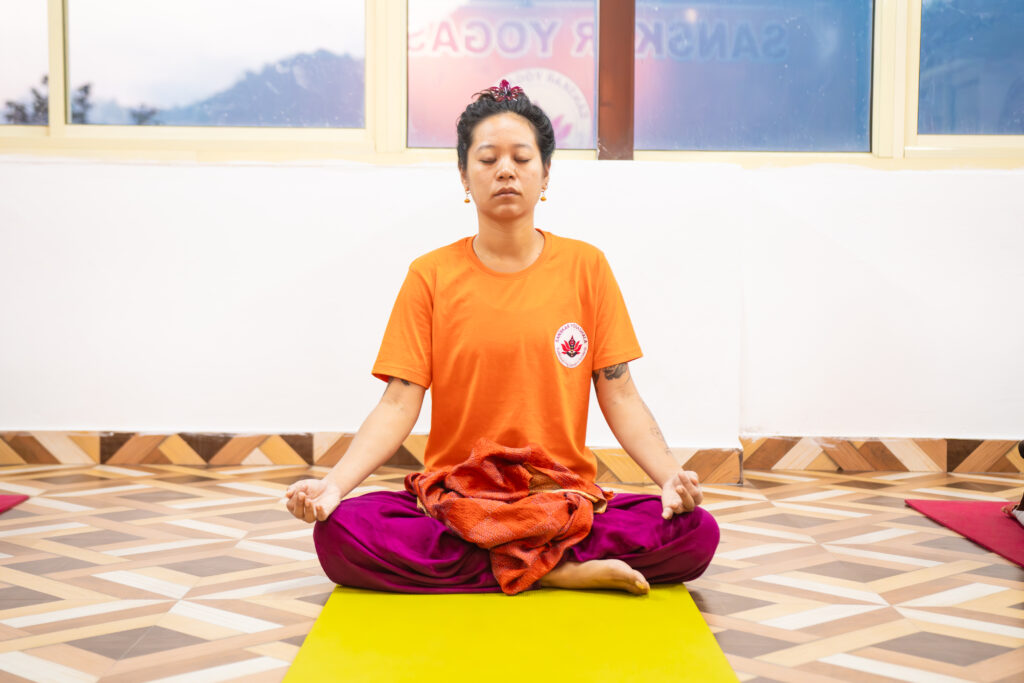
At Sanskar Yogashala, we integrate Meditation into the very fabric of our daily schedule. It is not an “extra” activity; it is the essential tool that ensures you leave your training not just with a certificate, but with a transformed mind.
1. Stabilizing the Nervous System
How Does Meditation Help During TTC The transition into a TTC can be a shock to the system. From the 5:30 AM wake-up calls to the 6–8 hours of daily physical activity, your nervous system is under constant stimulation.
- Moving into “Rest and Digest”: Intensive asana (especially Ashtanga and Hatha) builds Tapas (internal heat). Without meditation, this can lead to being overstimulated. Meditation helps shift the body from a “fight or flight” state into the parasympathetic nervous system, allowing for deep recovery.
- Managing Fatigue: By practicing daily stillness, you learn to rest the mind even when the body is tired, helping you sustain your energy across the 21 to 28 days of the course.
2. Emotional Detox and Resilience
A How Does Meditation Help During TTC In Rishikesh is notorious for triggering an “emotional detox.” As you open the body through deep hip-openers and backbends, suppressed emotions—frustration, grief, or even sudden joy—often rise to the surface.
- The Witness Perspective: Meditation teaches you to observe these emotions without being swept away by them. You learn to witness your feelings as passing clouds rather than identifying with them as “the truth.”
- Handling the Pressure: The pressure to “get the pose right” or the anxiety of teaching your first practicum can be overwhelming. Meditation builds a reservoir of inner calm, allowing you to respond with grace rather than reacting with stress.
3. Enhancing Academic Concentration
A significant portion of your 200 or 300-hour training at Sanskar Yogashala is dedicated to the study of Yoga Philosophy and Anatomy. These subjects require deep focus and the ability to grasp complex Sanskrit concepts.
- Clearing Mental Clutter: Morning Meditation clears the “noise” of the day before it begins. A quiet mind acts like a clean slate, making it much easier to absorb and retain the lessons from your philosophy and anatomy lectures.
- Developing “Dharana”: Dharana (concentration) is the sixth limb of Yoga. By practicing Meditation, you are training the muscle of your attention, which directly improves your ability to focus during long study sessions and self-reflection.
4. Deepening the Mind-Body Connection
Many students arrive at a How Does Meditation Help During TTC focused purely on the physical mechanics of yoga. Meditation is what bridges the gap between a “gym workout” and a spiritual practice.
- Proprioception and Awareness: In stillness, you become acutely aware of the subtle sensations in your joints and muscles. This translates back to the mat, where you can feel the subtle micro-adjustments needed to align your body safely.
- Breath Synergy: During meditation, you refine your relationship with your breath (Pranayama). This awareness becomes an automatic guide during your vinyasa flow, ensuring that your movement and breath remain perfectly synchronized.
5. Preparing for Professional Teaching
The ultimate goal of a How Does Meditation Help During TTC is to share yoga with others. A teacher who does not meditate often lacks the “presence” required to lead a class effectively.
- Authentic Presence: Meditation develops a quality of presence and groundedness. When you stand in front of a class, your students will feel your calm, which in turn helps them feel safe and focused.
- Empathy and Non-Judgment: Through self-meditation, you develop compassion for your own struggles. This is vital when you start teaching; it allows you to hold a non-judgmental space for your future students, regardless of their level or limitations.
6. Integration: Carrying Rishikesh Home
The “difficulty” of a How Does Meditation Help During TTC often begins after it ends—when you return to the distractions of the modern world.
- Building a Sustainable Habit: By meditating daily at Sanskar Yogashala, you establish a habit in a supportive environment. This practice becomes your “portable sanctuary,” helping you maintain the peace of Rishikesh even in a busy city environment.
- Spiritual Maturity: How Does Meditation Help During TTC ensures that your transformation is not just a temporary “high” but a permanent shift in your character and perspective.
Conclusion: The Heart of the Training
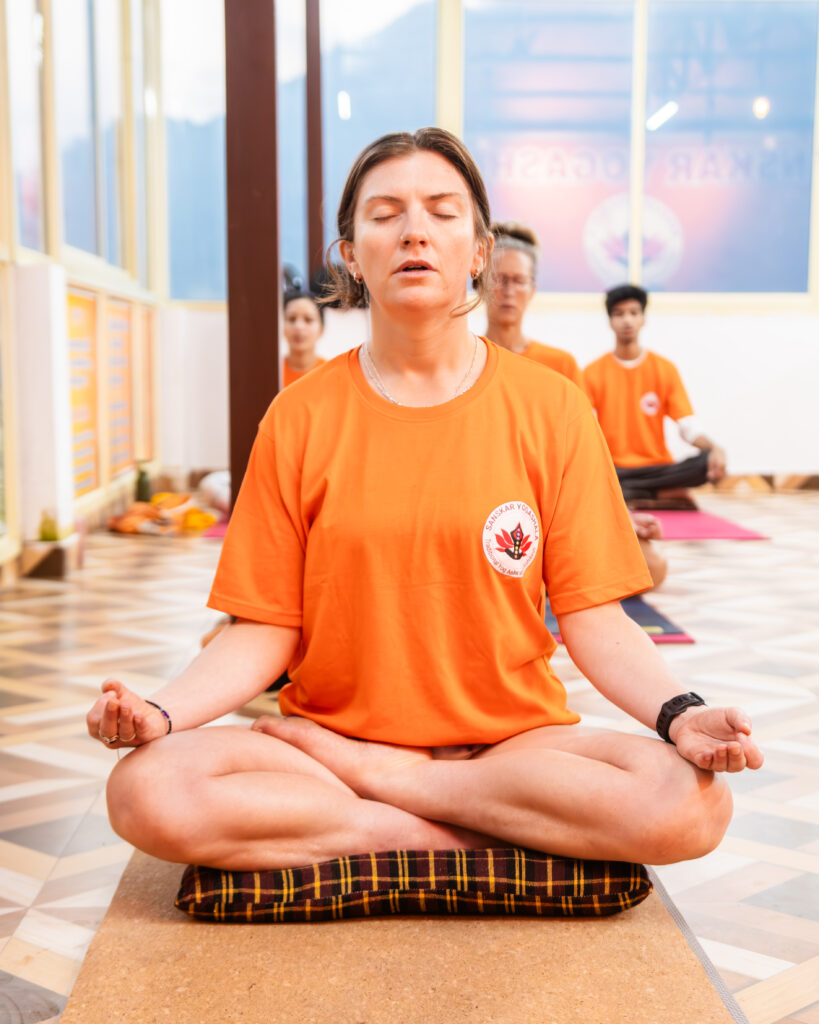
At Sanskar Yogashala, we believe that “Yoga without Meditation is just gymnastics.” While the asana will change your body, it is the meditation that will change your life. It is the silent partner that makes the intense journey of a Yoga Teacher Training possible, productive, and truly profound.
Are you ready to dive deep into the silence? Explore our Yoga Alliance Certified TTCs and Meditation Immersions here.