Choosing between a Hatha and Ashtanga Yoga Teacher Training Course (TTC) is one of the most significant decisions you will make when planning your journey to Rishikesh. While both styles are rooted in traditional Indian lineage, they offer vastly different experiences in terms of physical intensity, energetic flow, and teaching methodology.
At Sanskar Yogashala, we offer both styles within our Multi-Style and specialized programs. Understanding the core differences between these two “pillars” of yoga will help you align your training with your personal practice goals and the type of teacher you aspire to become.
1. The Core Philosophy: Stillness vs. Flow
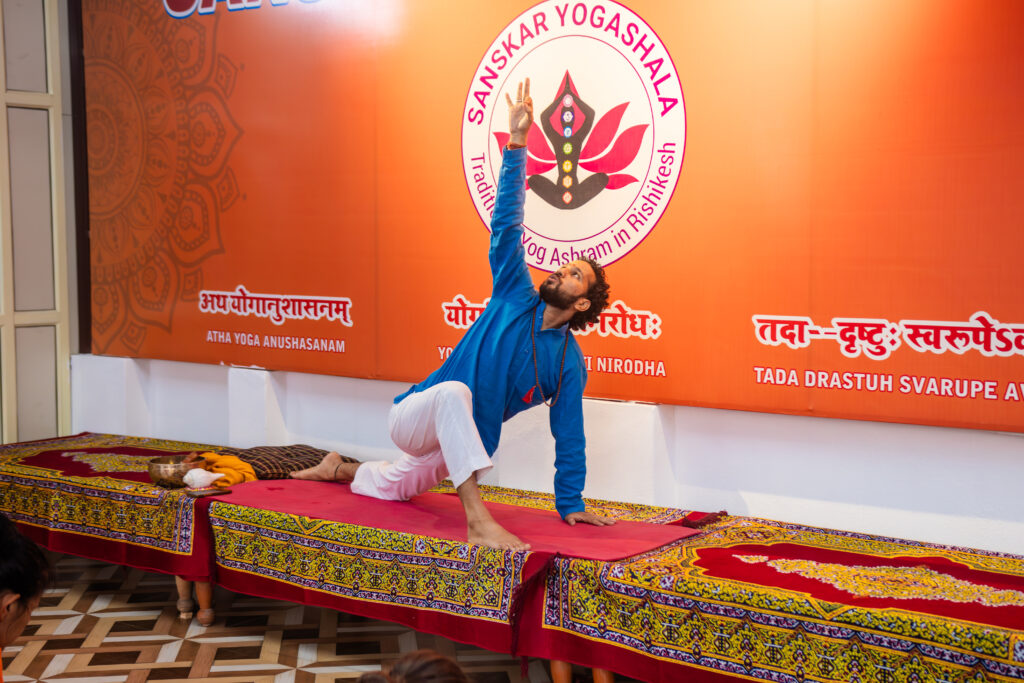
The most fundamental difference between Hatha and Ashtanga Yoga Teacher Training Course lies in the pace and the relationship between movement and breath.
- Hatha Yoga: Often referred to as the “Foundation of All Yoga,” Hatha focuses on balance. The goal is to balance the sun (Ha) and moon (Tha) energies. In aHatha and Ashtanga Yoga Teacher Training Course, the emphasis is on stillness. Poses are held for longer periods to allow for deep structural alignment and mental steadying.
- Ashtanga Yoga: This is a dynamic, structured, and physically demanding style. Based on the teachings of K. Pattabhi Jois, it focuses on the Vinyasa—the synchronization of breath and movement. In an Ashtanga TTC, the emphasis is on a continuous flow that builds intense internal heat (Tapas).
2. Structure of the Practice: Freedom vs. Sequence
One of the most distinct differences you will encounter during your training at Sanskar Yogashala is how a class is built.
Ashtanga: The Set Sequence
Hatha and Ashtanga Yoga Teacher Training Course follows a fixed order of postures. Students must master the Primary Series (Yoga Chikitsa) before moving to the Intermediate or Advanced series.
- Consistency: You practice the exact same sequence every day.
- Discipline: This repetitive nature builds incredible physical stamina and allows the practice to become a “moving meditation.”
Hatha: The Creative Freedom
Hatha does not follow a mandatory set sequence.
- Versatility: A Hatha teacher has the freedom to design classes based on a specific theme (e.g., heart opening, grounding, or hip mobility).
- Accessibility: Because it isn’t bound by a rigid series, Hatha is often more adaptable for beginners or those with physical limitations.
3. Breath and Internal Energy (Pranayama)
While both styles use the breath to move energy, the application during a Hatha and Ashtanga Yoga Teacher Training Course varies significantly.
- Ashtanga and Ujjayi: In Ashtanga, you use the Ujjayi breath (Victorious Breath) throughout the entire practice. This creates an audible, rhythmic sound that helps maintain heat and focus during the fast-paced transitions.
- Hatha and Varied Pranayama: In a Hatha TTC, Pranayama is often treated as a separate, deep study. While you breathe consciously during asana, you also dedicate specific time to learning various techniques like Nadi Shodhana, Sheetali, and Bhastrika to balance the nervous system.
4. Physical Intensity and “Tapas”
If you are looking at the “difficulty” of the training, your choice will depend on the type of challenge you seek.
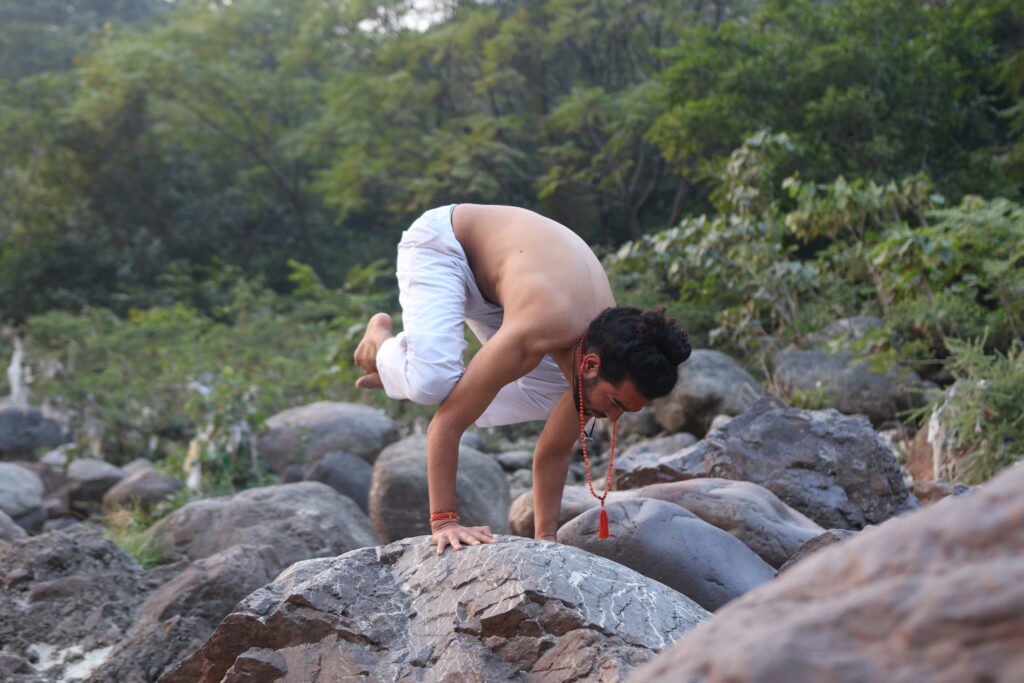
- Ashtanga is Physically Vigorous: It is often considered more “athletic.” You will sweat significantly, build intense core strength, and work heavily on vinyasa transitions (like the famous “jump-backs”). It is ideal for those who love a high-energy, disciplined challenge.
- Hatha is Mentally Demanding: While Hatha may seem “slower,” holding a pose for 2–3 minutes requires immense mental fortitude and isometric strength. It focuses more on the “subtle body” and the internal feeling of the posture rather than the transition between them.
5. Teaching Methodology: What Will You Teach?
When you graduate from Sanskar Yogashala, your certification will specify your training background. This affects your “voice” as a teacher.
- As an Ashtanga Teacher: You will be trained to guide students through the Primary Series. You will focus heavily on adjustments and assists, helping students navigate the specific geometry of the set sequence.
- As a Hatha Teacher: You will be trained to sequence your own classes. You will learn how to build a class from scratch, selecting poses that lead to a “peak posture” and understanding how to balance a session with appropriate counter-poses.
6. Which TTC is Right for You?
At Sanskar Yogashala, we recommend reflecting on the following questions:
| Choose Hatha TTC if… | Choose Ashtanga TTC if… |
| You want to understand the foundational roots of all yoga. | You thrive on discipline, routine, and a fixed daily sequence. |
| You prefer a slower, meditative pace with deep holds. | You want to build intense physical strength and stamina. |
| You want the creative freedom to design your own classes. | You are drawn to the traditional “Primary Series” lineage. |
| You are interested in the therapeutic and restorative aspects. | You enjoy the “moving meditation” of a continuous flow. |
Conclusion: Two Paths to One Destination
Whether you choose the disciplined fire of Ashtanga or the balancing stillness of Hatha, your journey at Sanskar Yogashala will be rooted in authenticity. Most of our students find that a “Multi-Style” 200-hour TTC is the best way to experience both before specializing in a 300-hour advanced course.
In Rishikesh, the goal remains the same: to still the fluctuations of the mind. Hatha and Ashtanga Yoga Teacher Training Course are simply two different—and equally beautiful—maps to get you there.
Ready to find your flow? Explore our Hatha, Ashtanga, and Multi-Style TTCs at Sanskar Yogashala today.