Completing Yoga Teacher Training is a monumental achievement, yet for many, the moment the certificate is handed over, a new question arises: “What now?” Graduation is not the end of the journey; it is the transition from a student of the practice to a steward of the tradition.
At Sanskar Yogashala in Rishikesh, we believe that the weeks following your training are the most critical for integration. Whether you trained in Hatha, Ashtanga, or our specialized Kundalini lineage, here is a comprehensive guide on how to navigate your life and career after Completing Yoga Teacher Training.
1. The Integration Period: Handling the “Post-TTC Glow”
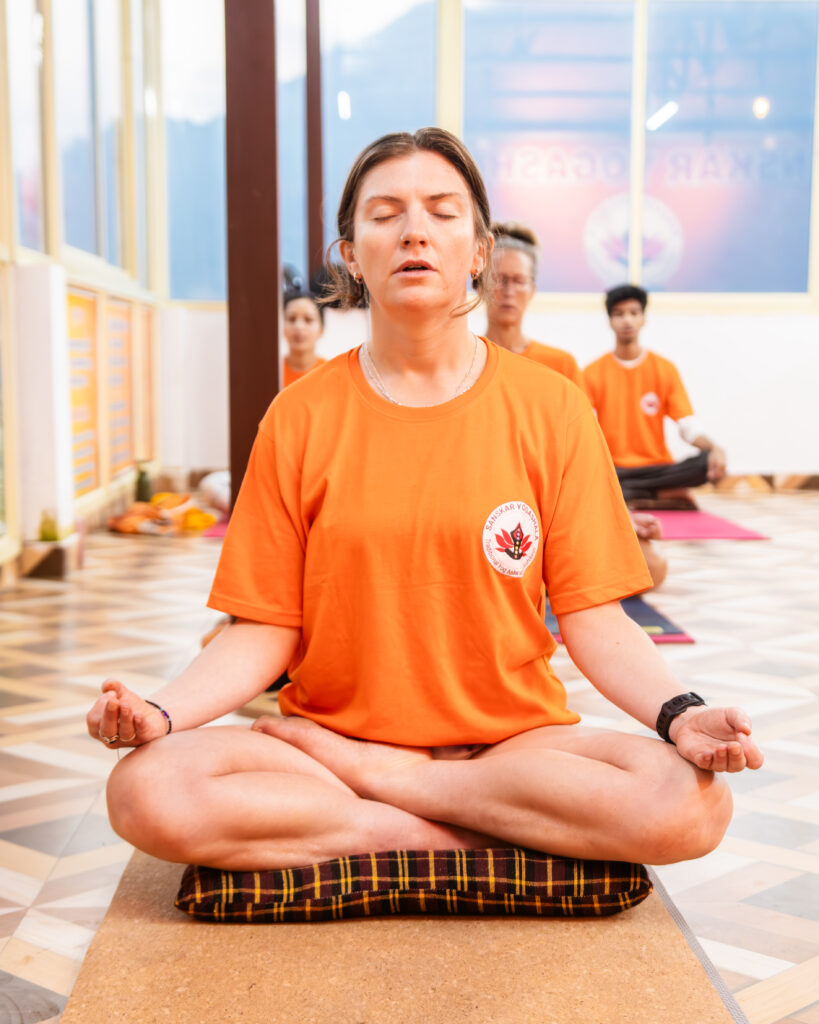
After spending 21 to 28 days in the high-vibrational energy of Rishikesh, returning to “normal” life can feel jarring. You may experience what many call the “post-TTC glow”—a sense of heightened awareness and peace—but you may also feel overwhelmed by the fast-paced world outside the ashram.
- Allow for Stillness: Do not rush into teaching immediately; give yourself at least a week to process the emotional and physical shifts you experienced during your 200-hour or 300-hour training.
- Maintain Your Sadhana: The most important thing you can do after graduation is to maintain your personal daily practice (Sadhana). Your teaching will only be as deep as your own practice.
- Journal Your Experience: Write down the breakthroughs you had during your time at Sanskar Yogashala while they are still fresh. These insights will become the heart of your future dharma talks.
2. Registering with Yoga Alliance
If you Completing Yoga Teacher Training your training at a Registered Yoga School (RYS) like Sanskar Yogashala, your first practical step is to register as a Registered Yoga Teacher (RYT).
- The Process: Create a profile on the Yoga Alliance website, upload your certificate, and select your school for verification.
- Why It Matters: While not legally required in every country, many reputable studios and retreat centers require RYT status for insurance purposes and as a benchmark of professional quality.
- Continuing Education: Once registered, you will be part of a global community that encourages Continuing Education (YACEP), ensuring you never stop learning.
3. Starting Your Teaching Career: Practical First Steps
The transition from student to teacher can be intimidating. You don’t need a fully booked studio schedule on day one to be a “real” teacher.
- Teach Your Inner Circle: Start by teaching friends, family, or colleagues for free or for “karma” donations. This builds your confidence and helps you refine your verbal cues in a low-pressure environment.
- Community Classes: Many local community centers, parks, or even corporate offices are looking for accessible yoga. These are excellent places to find your unique “voice” as a teacher.
- Subbing at Studios: Reach out to local studios to be put on their “sub list”. Most teachers start their studio careers by covering classes for established instructors.
4. Specialization and Advanced Training
A 200-hour TTC provides a broad foundation, but the most successful teachers often find a niche.
- Advance to 300-Hour Training: If you have a foundational certificate, Completing Yoga Teacher Training a 300-hour Yoga TTC in India allows you to register as an RYT-500, the highest standard of international certification.
- Explore Kundalini Yoga: Many graduates return to Sanskar Yogashala for specialized Kundalini Yoga Teacher Training to learn the esoterics of energy work, which sets them apart in a crowded market.
- Niche Markets: Consider further training in prenatal Yoga, Yoga for kids, or restorative yoga to serve specific populations.
5. Building Your Digital Presence
In 2026, a Yoga teacher’s “shala” often extends into the digital world.
- Social Media with Purpose: Use platforms like Instagram or TikTok not just for “posing,” but to share the philosophy and benefits of the practice you learned in Rishikesh.
- Personal Website: Create a simple landing page that lists your bio, your certification from Sanskar Yogashala, and your class schedule.
- Online Teaching: Platforms like Zoom or specialized yoga apps allow you to maintain a global connection with the students you met during your training in India.
6. Living the Yoga: Beyond the Mat
The true test of a Completing Yoga Teacher Training is how you live when the Yoga mat is rolled up.
- Ahimsa (Non-Violence): Apply the ethics of Yoga to your speech, your diet, and your relationships.
- Sattvic Living: Many graduates choose to maintain the Sattvic (pure) diet they experienced in Rishikesh, noticing continued improvements in their energy and mental clarity.
- Karma Yoga: Look for ways to serve your community selflessly, embodying the heart of Indian yogic tradition.

Conclusion: The Path Never Ends
Completing Yoga Teacher Training is the moment you step onto the path of the Eternal Student. At Sanskar Yogashala, we always tell our graduates that the certificate is just a key—it is up to you to open the doors. Whether you choose to teach globally or simply live more mindfully, the wisdom of Rishikesh will stay with you forever.
Ready to start your journey or take the next step? Explore our advanced 300-hour and Kundalini TTCs in Rishikesh.
Visit Our Website : Yoga Teacher Training In Rishikesh