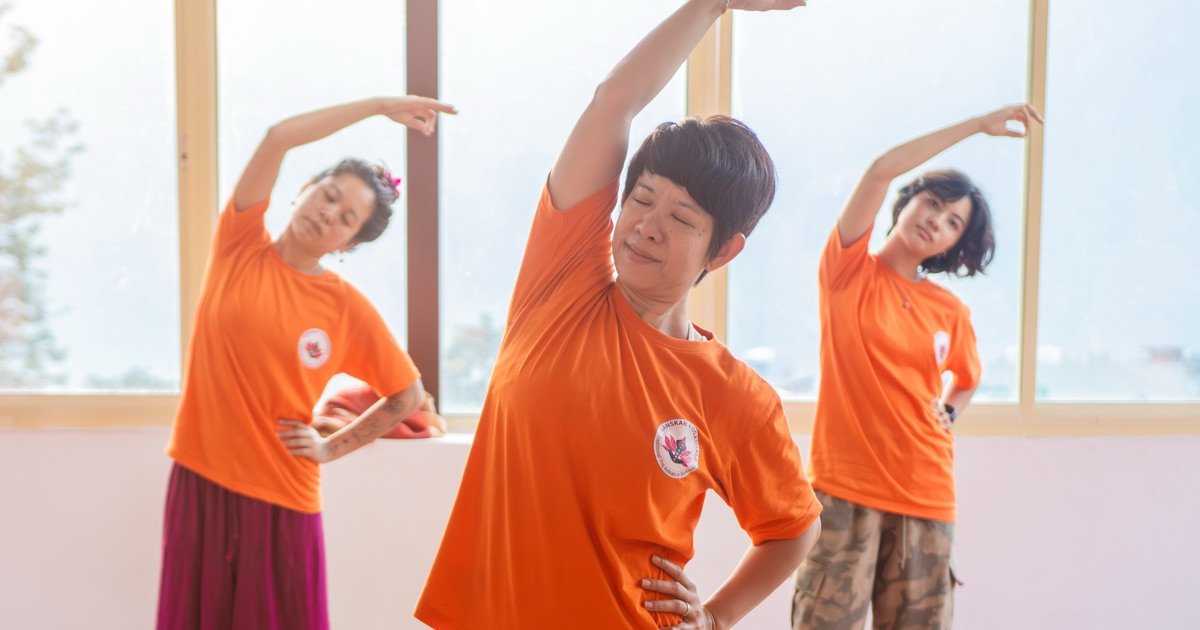
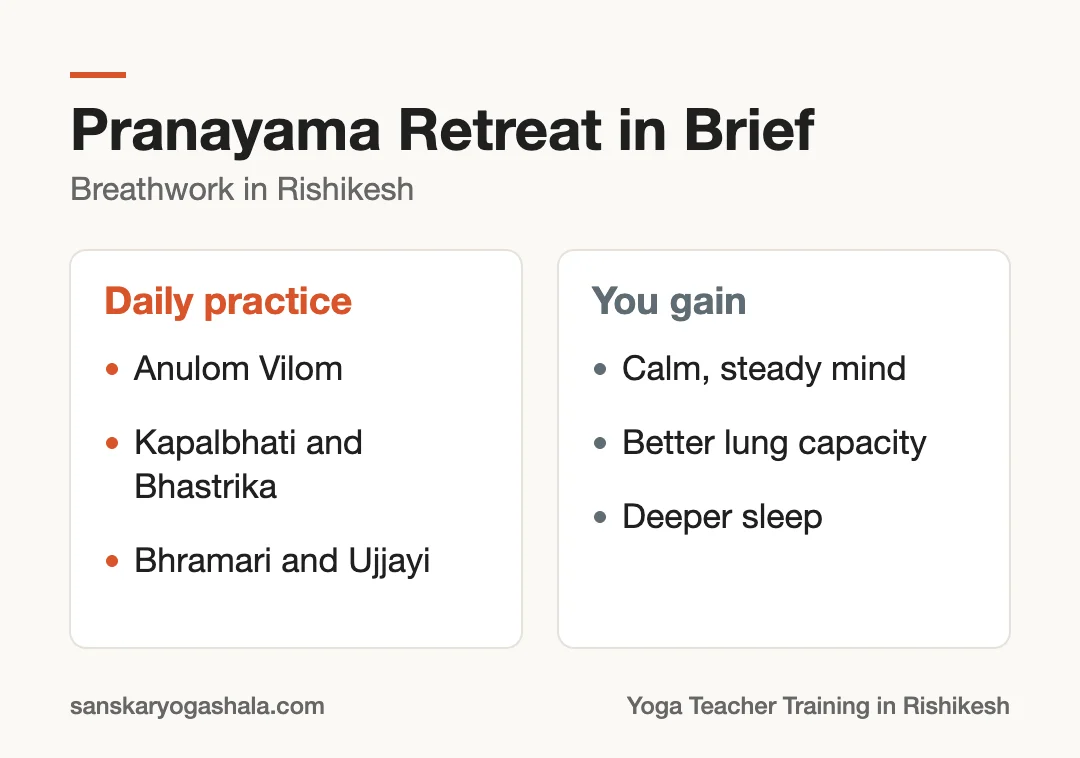
A pranayama retreat in Rishikesh is a short, focused stay where you learn and practise yogic breathing every day under the guidance of experienced teachers. In the calm of the Himalayan foothills, you learn techniques such as Anulom Vilom, Kapalbhati, Bhramari and Ujjayi, and how to use them to calm the mind, boost energy and support your health.
Pranayama Weekly Retreat in Rishikesh, India

Pranayama Retreat in Rishikesh Breathing consciously helps to shift our focus, to free our energy, to relax the mind and calm our physical, emotional and nervous currents. It replaces dysfunctional reactions and unconscious habits.

Pranayama Retreat in Rishikesh The breath fuels our luminous thoughts bridges our broken parts and integrates our fragmented levels. Breathing can be a living expression of our commitment to peace, purity, power, love, harmony, balance. It can empower us to manifest our heart’s desire and our soul’s aspirations.
Duration: 7/14 Days Retreat
Cost: $350/week
What Is a Pranayama Retreat?
Pranayama means the control and expansion of prana, the life force, through the breath. A pranayama retreat gives you time away from daily pressures to explore this practice properly. Instead of a few rushed breaths at the end of a class, you spend several sessions each day learning how to breathe with awareness, rhythm and control.
Most people breathe fast and shallow without noticing it. During a retreat you slowly relearn natural, deep breathing, then build on it with classical techniques taught step by step.
What You Learn on a Pranayama Retreat in Rishikesh
- Breath awareness: how to observe your natural breath and use the full lungs and diaphragm.
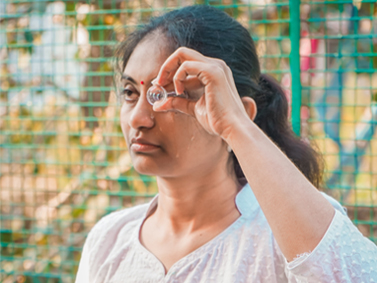
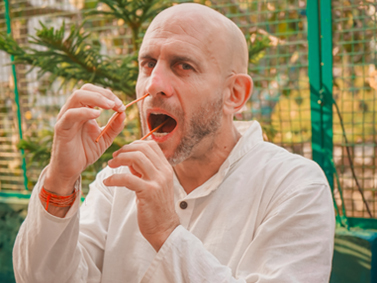
- Balancing practices: Anulom Vilom (alternate nostril breathing) to calm and balance the nervous system.
- Energising practices: Kapalbhati and Bhastrika to clear the body and lift energy.
- Calming practices: Bhramari (humming bee breath) and Ujjayi to quieten the mind.
- Bandhas and mudras: simple body locks and hand gestures that support the breath.
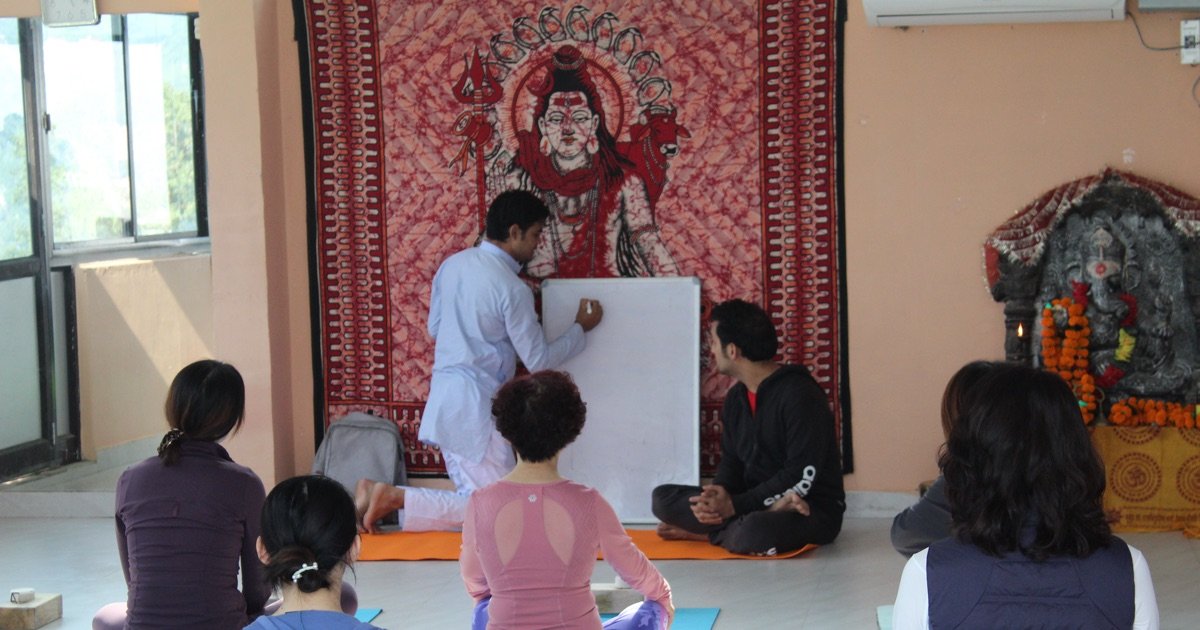
- Theory: what prana is, how the breath links body and mind, and how to practise safely at home.
Benefits of a Pranayama Retreat
Regular pranayama has gentle but deep effects. Students often notice changes within a few days:
- A calmer mind and less stress and anxiety
- Better sleep and more steady energy through the day
- Improved focus and concentration
- Stronger, more efficient breathing
- A deeper, more settled meditation practice
Why Practise Pranayama in Rishikesh?
Rishikesh is known as the yoga capital of the world. The fresh air from the mountains, the sound of the Ganga and the spiritual atmosphere make it a natural place to slow down and turn inward. Practising here, away from traffic and screens, helps you feel the effects of the breath more clearly and build a habit you can take home.
Who Is a Pranayama Retreat For?
A pranayama retreat suits beginners who want to learn the basics properly, yoga practitioners who want to deepen their practice, and anyone dealing with stress or low energy. Techniques are adapted to your level. If you have a health condition such as high blood pressure, heart problems or are pregnant, tell your teacher first so they can guide you to safe practices.
Tips to Get the Most From Your Retreat
- Practise on an empty stomach, ideally early in the morning.
- Wear loose, comfortable clothes and sit with a straight but relaxed spine.
- Never force the breath. Comfort comes before intensity.
- Keep a short journal of how you feel after each session.
- Continue a simple 10 to 15 minute practice at home after the retreat.
A Simple Pranayama Routine to Try
If you want to taste the practice before you join a retreat, try this short routine in the morning before breakfast:
- Sit comfortably with a straight spine and close your eyes.
- Take ten slow, deep breaths, letting the belly rise as you inhale.
- Practise five rounds of alternate nostril breathing.
- Finish with three rounds of Bhramari, humming gently on the exhale.
- Sit quietly for two minutes and notice how you feel.
Keep the breath smooth and comfortable throughout. If you feel dizzy or tense, stop and breathe normally. A good teacher will help you refine each step during the retreat.
What to Expect After a Pranayama Retreat
Most students go home with a short daily routine they can follow in 15 to 20 minutes. Within a few weeks of regular practice, many notice they handle stress better, breathe more deeply without thinking about it and feel more awake in the morning. The breath becomes a tool you can use anywhere: before a meeting, when you cannot sleep or whenever the mind feels scattered.
Pranayama Retreat FAQs
What is a pranayama retreat?
It is a short residential stay focused on learning yogic breathing techniques. You practise pranayama several times a day with a teacher, along with some gentle yoga, meditation and theory.
Can beginners join a pranayama retreat?
Yes. Teachers start with basic breath awareness and simple techniques, then add more advanced practices only when you are ready.
Which pranayama techniques are taught?
Common techniques include Anulom Vilom, Kapalbhati, Bhastrika, Bhramari and Ujjayi, along with natural deep breathing and simple bandhas.
What are the benefits of pranayama?
Pranayama can reduce stress, improve sleep and focus, support lung capacity and help you feel calmer and more balanced in daily life.
Is pranayama safe for everyone?
Most people can practise gentle pranayama safely. Strong techniques like Kapalbhati and Bhastrika are not advised in pregnancy or with high blood pressure or heart conditions, so always tell your teacher about your health.